Micro Wedding Photography vs. Traditional Wedding Coverage
Here’s an important distinction: shorter micro-wedding coverage isn’t simply traditional wedding photography squeezed into two or three hours. It’s designed for a wedding day that is actually smaller and simpler.
A traditional wedding may include getting ready in separate locations, a first look, wedding party portraits, multiple family groupings, a full ceremony, travel between locations, cocktail hour, introductions, first dances, dinner, speeches, cake cutting, sunset portraits and an open dance floor. That’s a lot of story to tell. And when those things are part of your day, having enough photography coverage matters. Trying to cram all of that into two or three hours usually means rushing through the very moments you hired me to preserve.
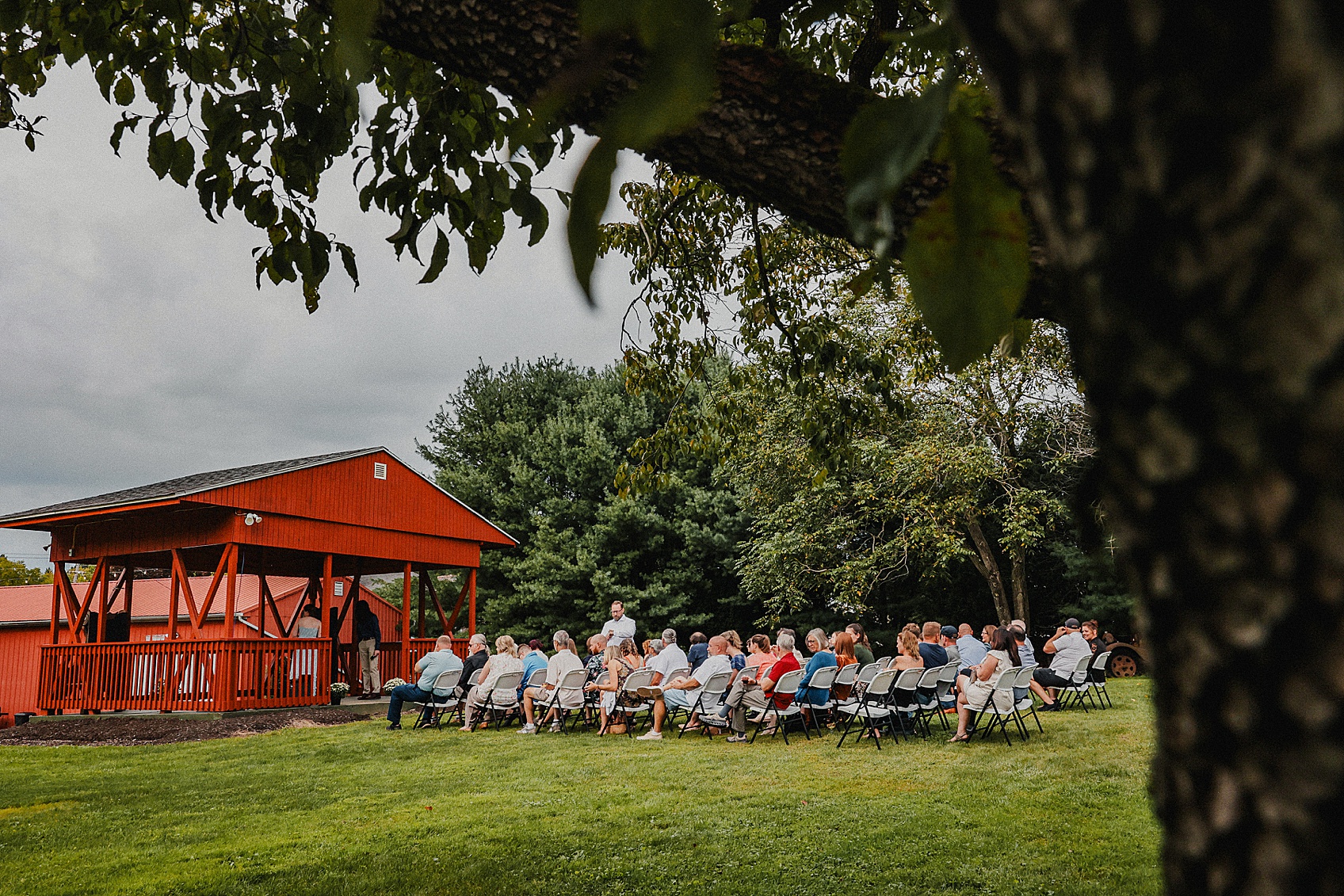
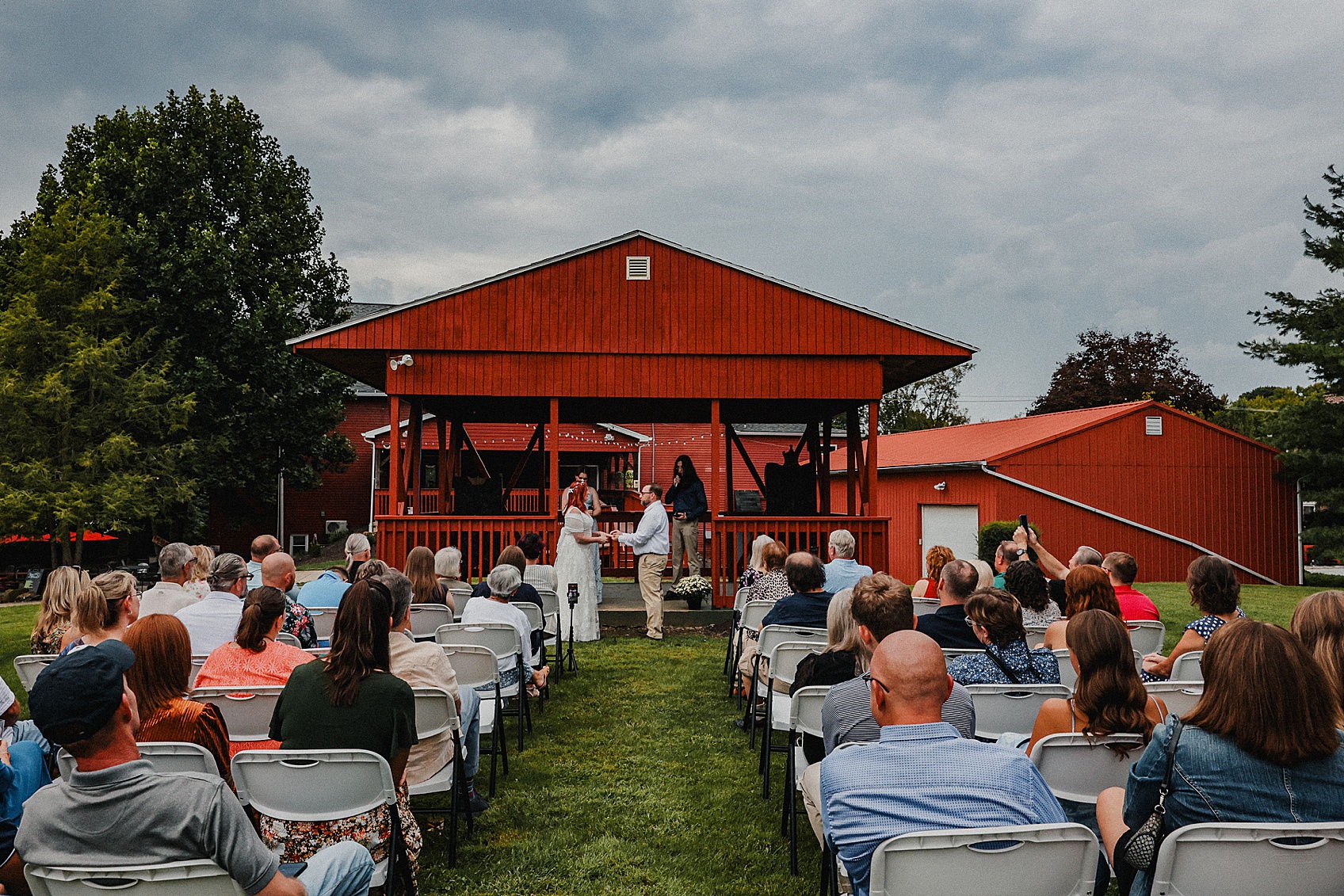
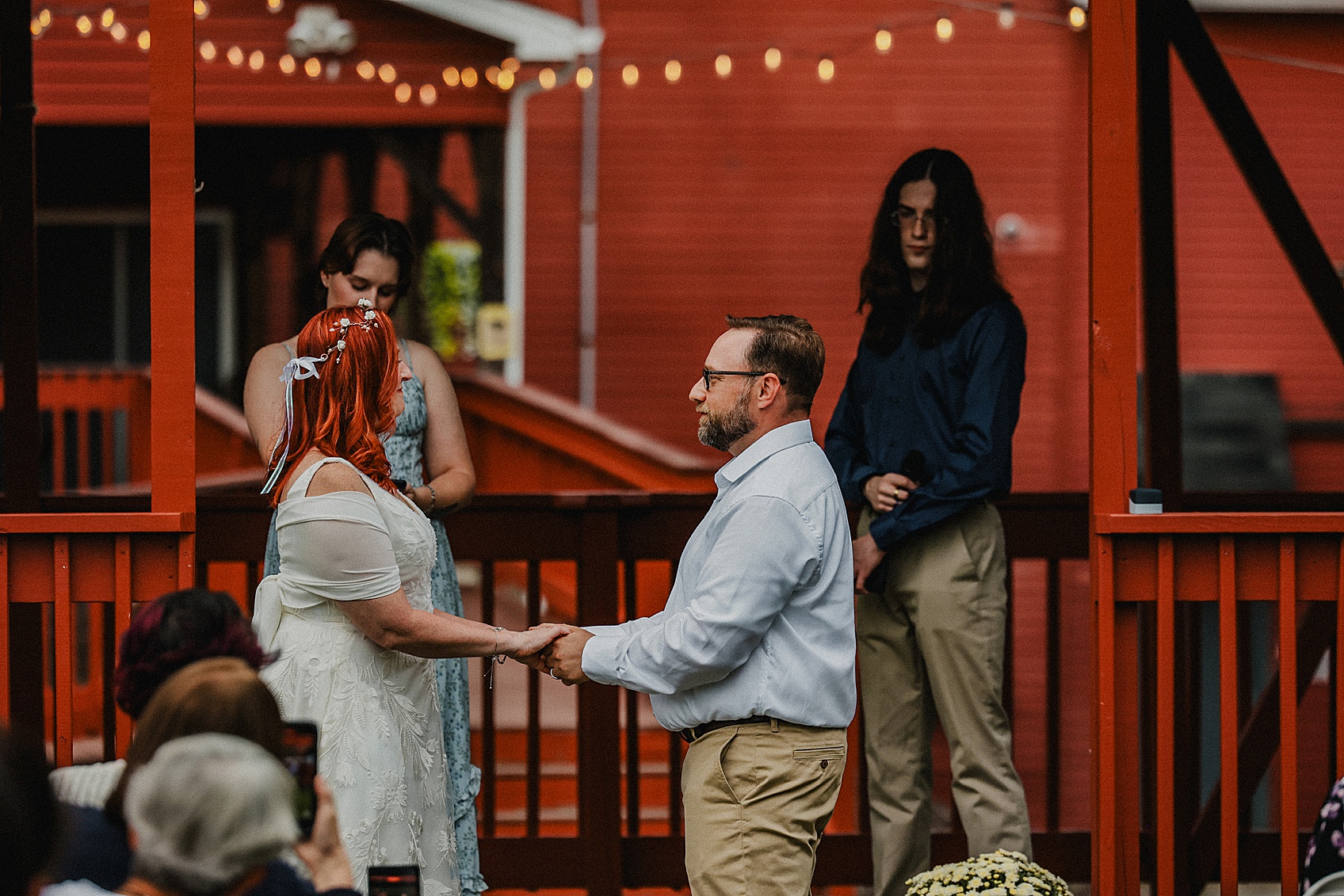
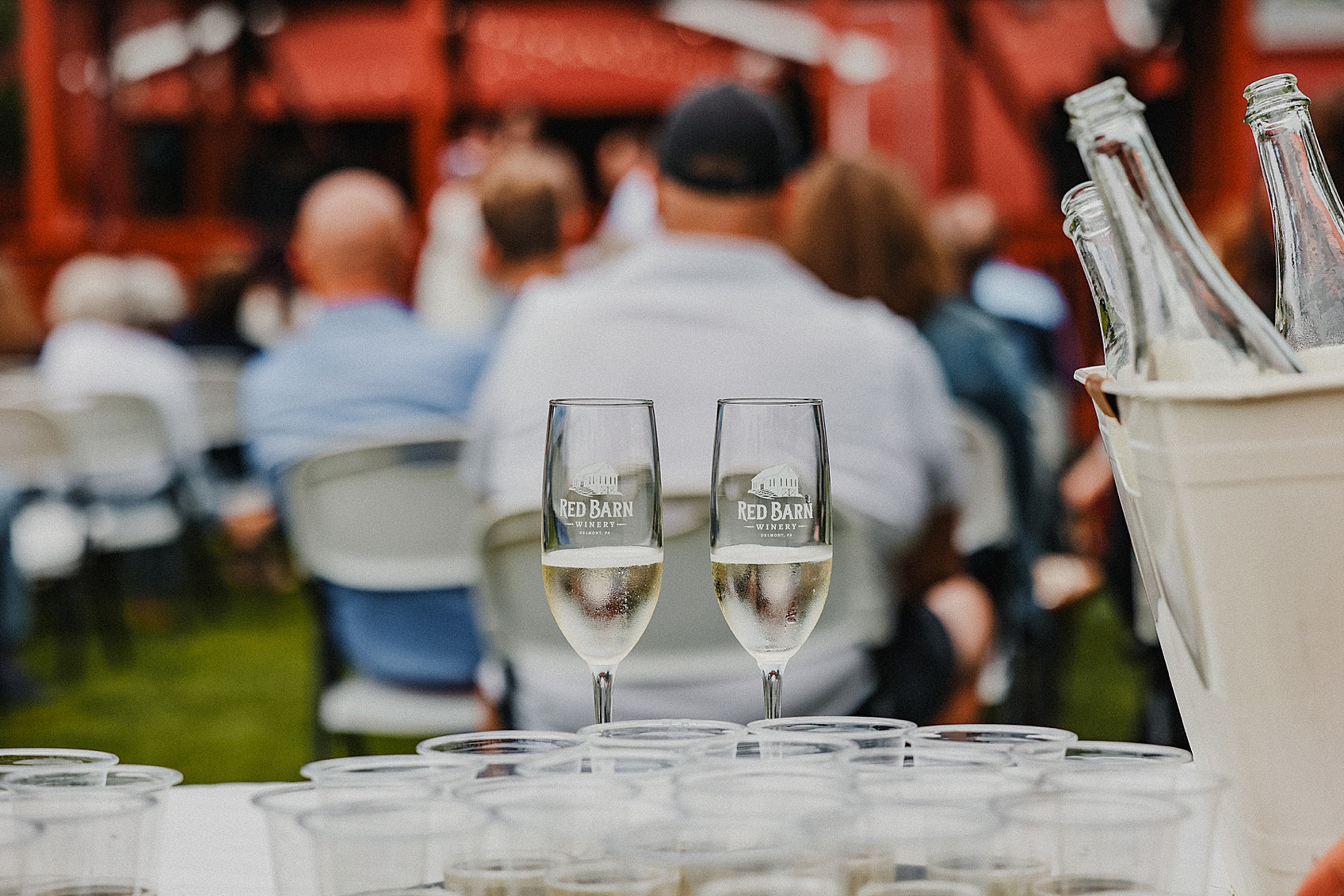
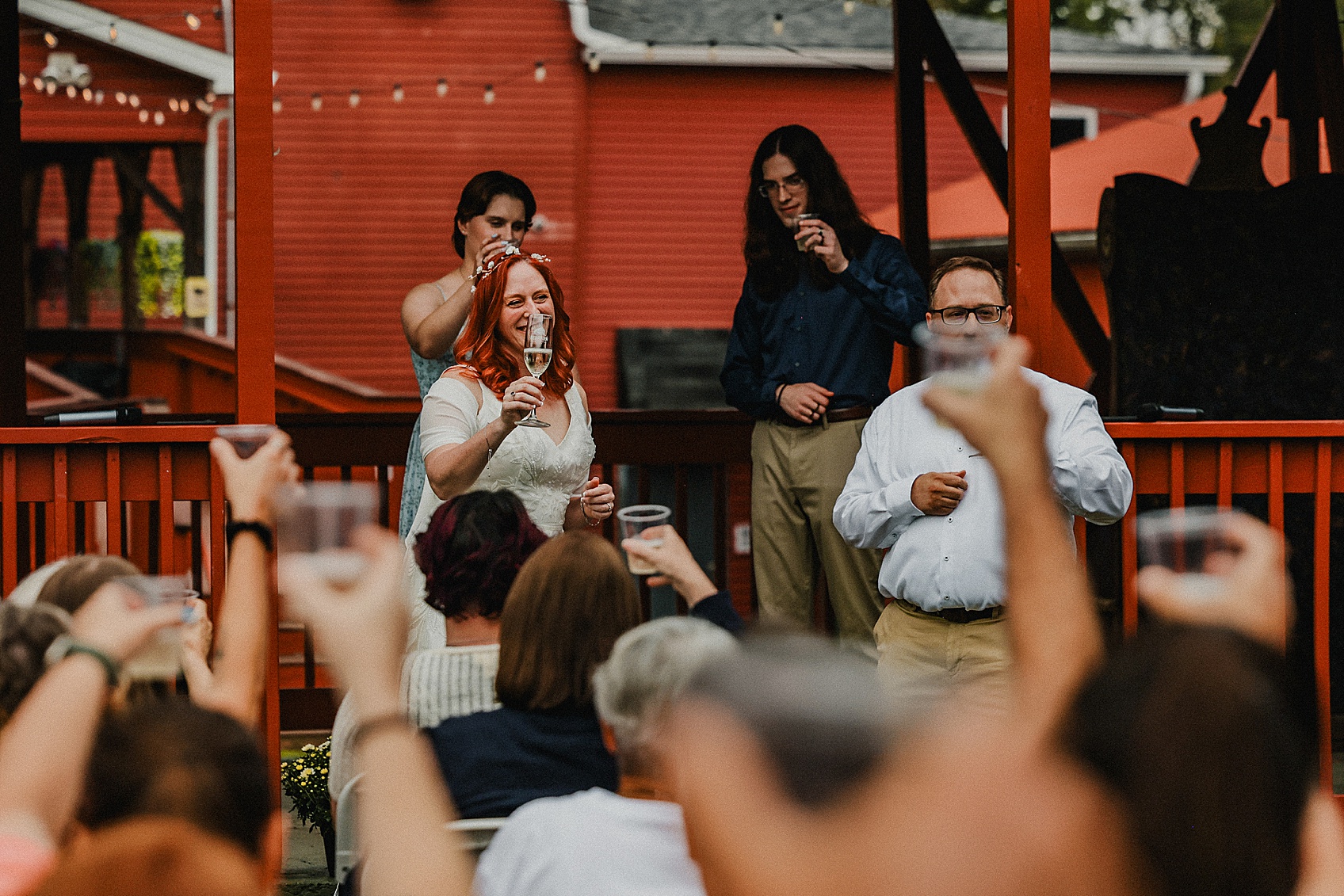
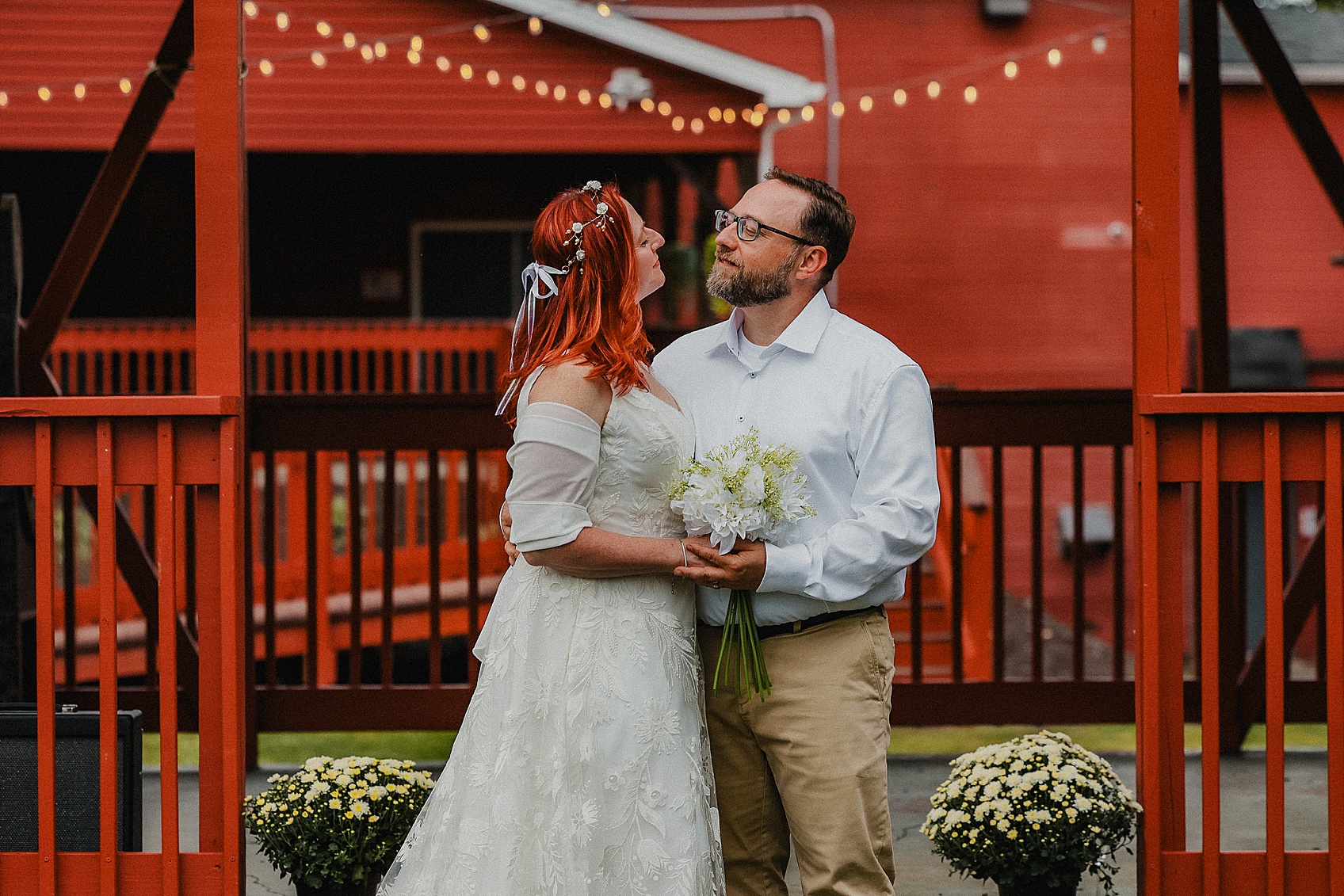
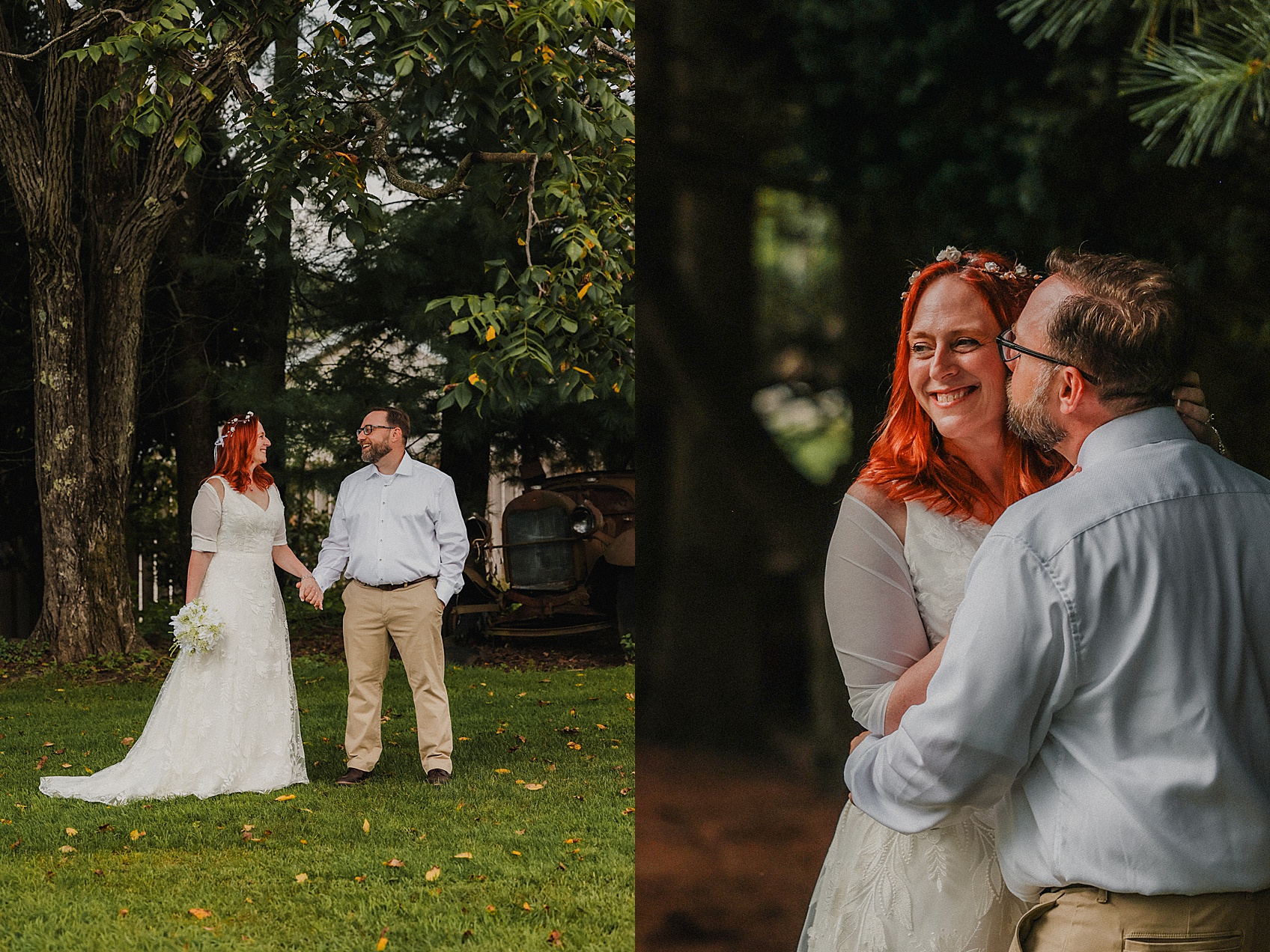
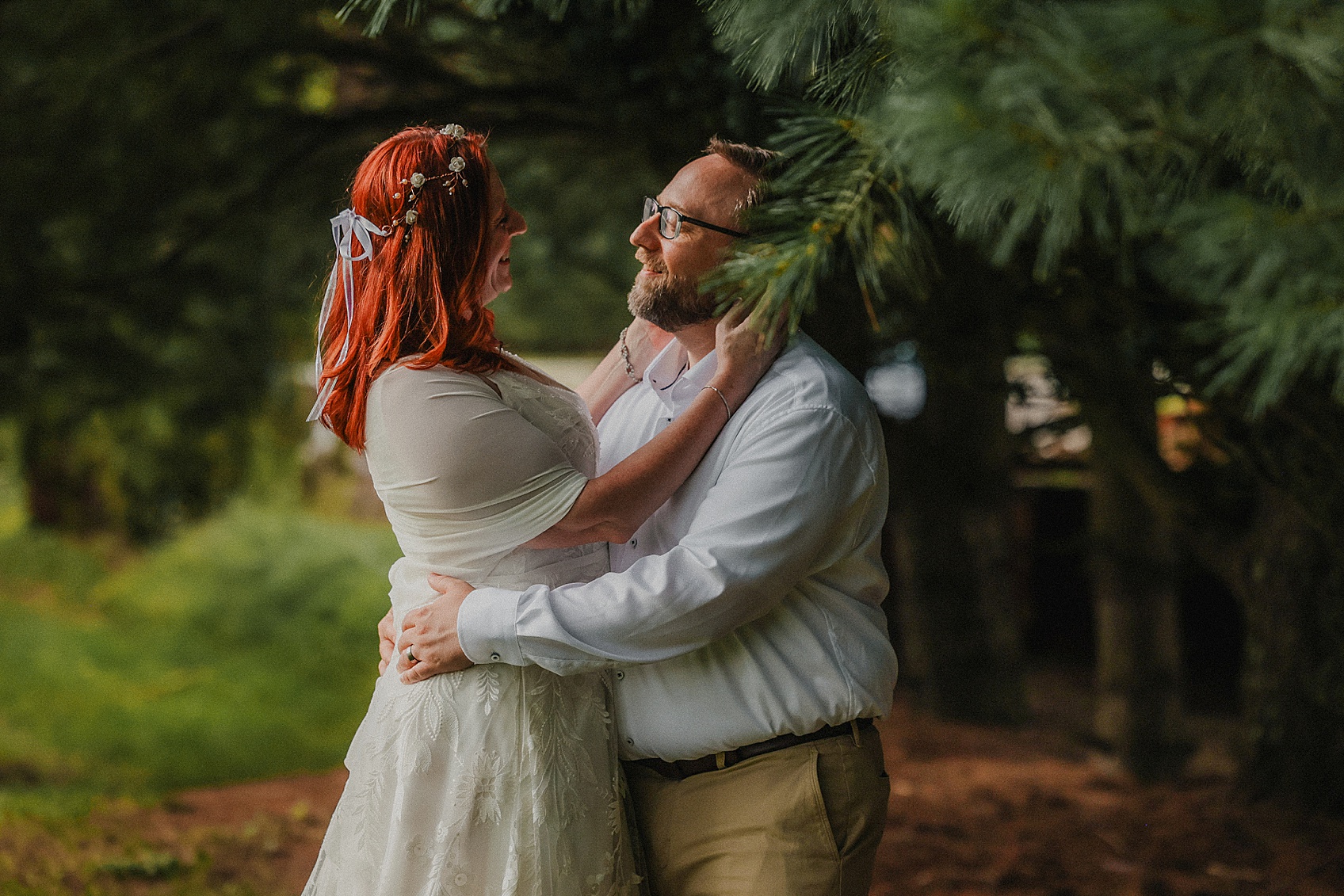
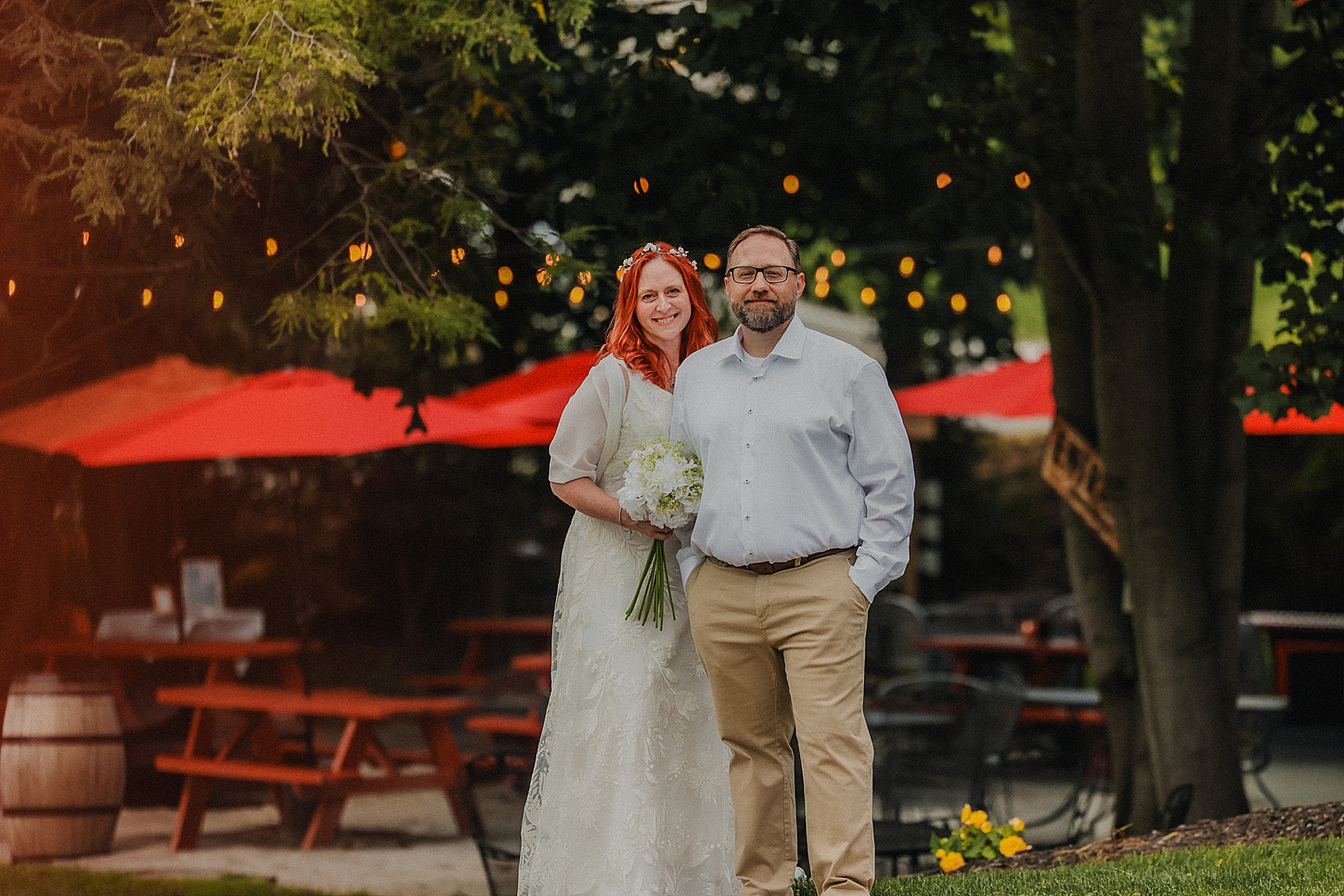
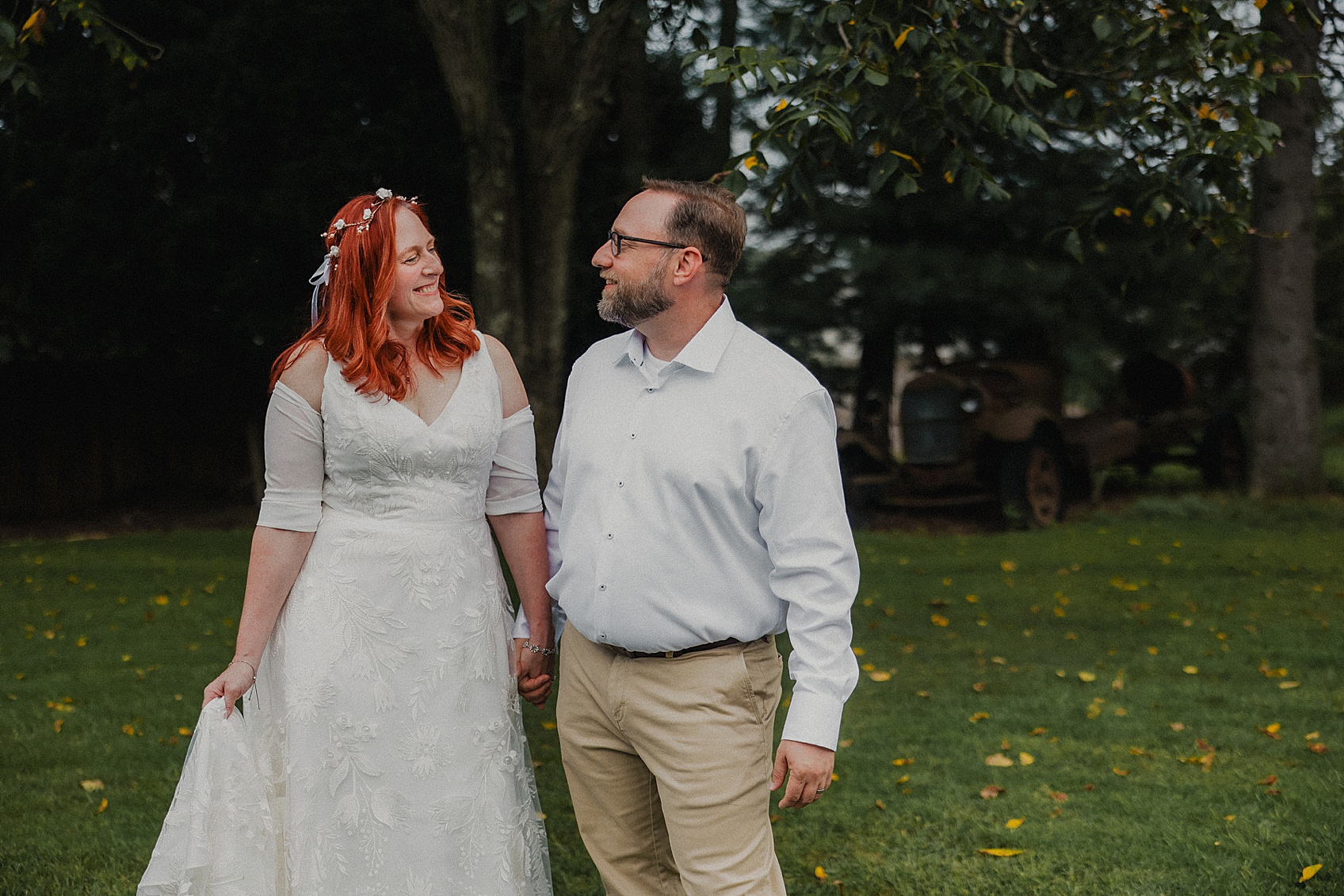
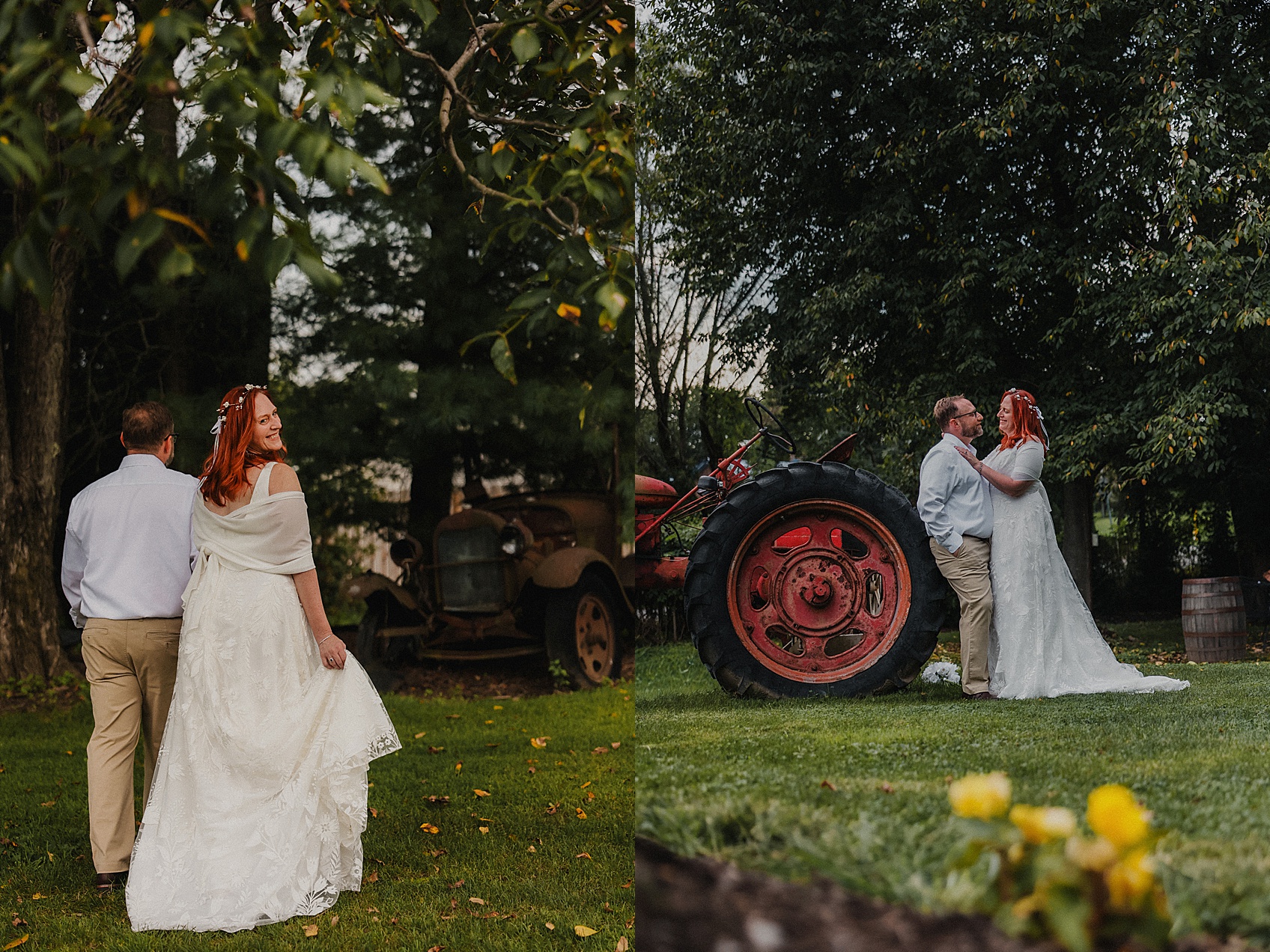
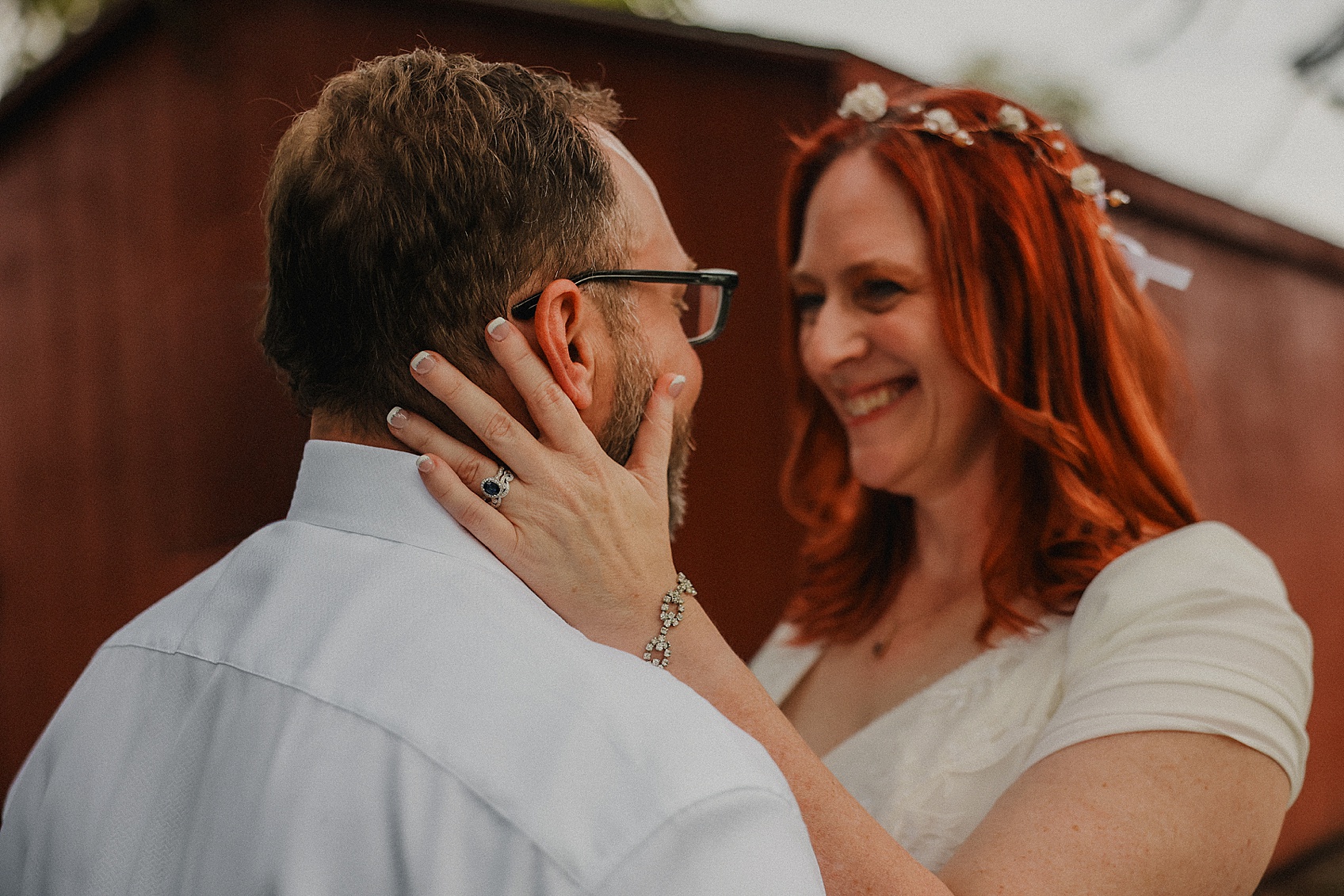
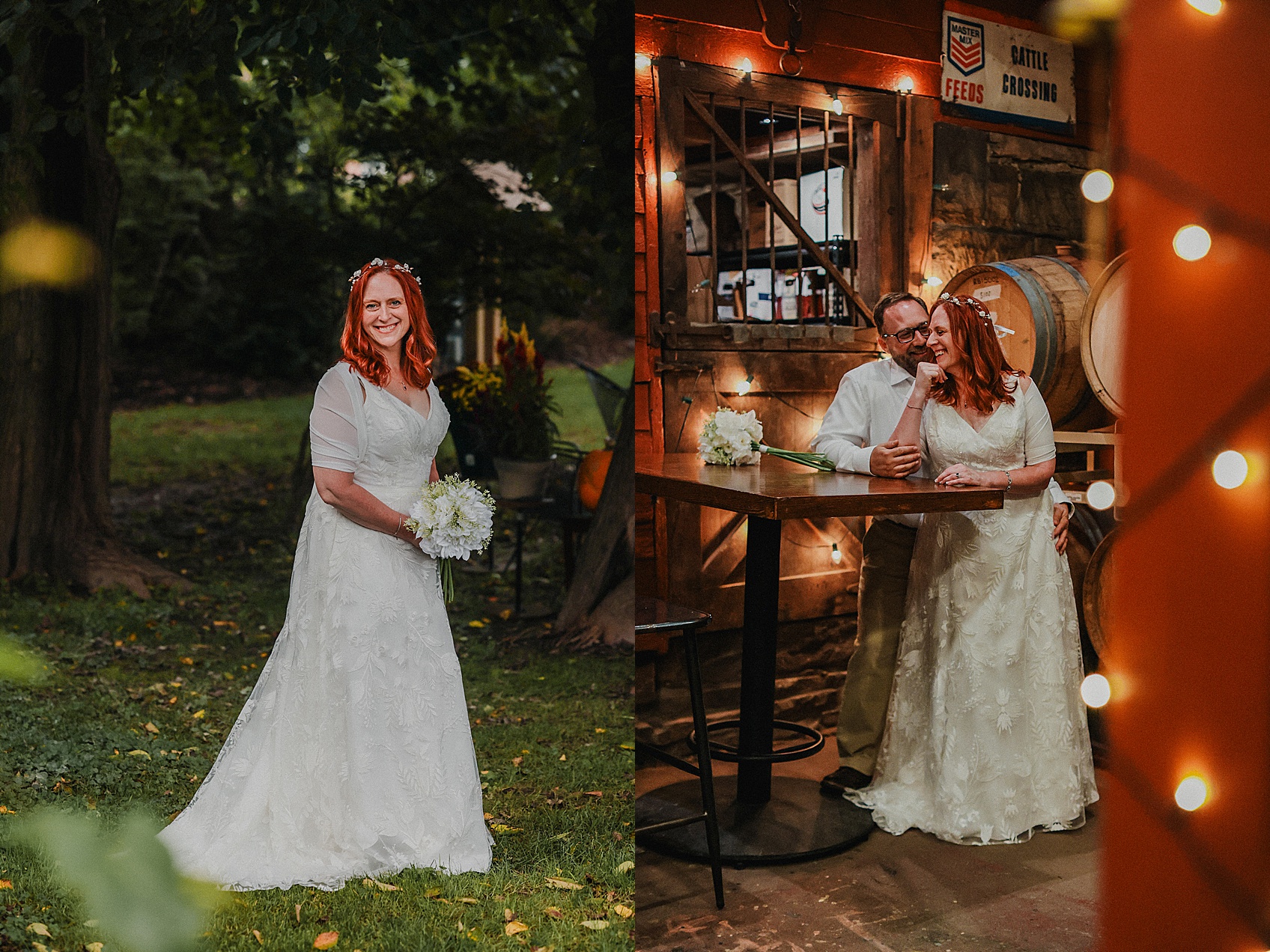
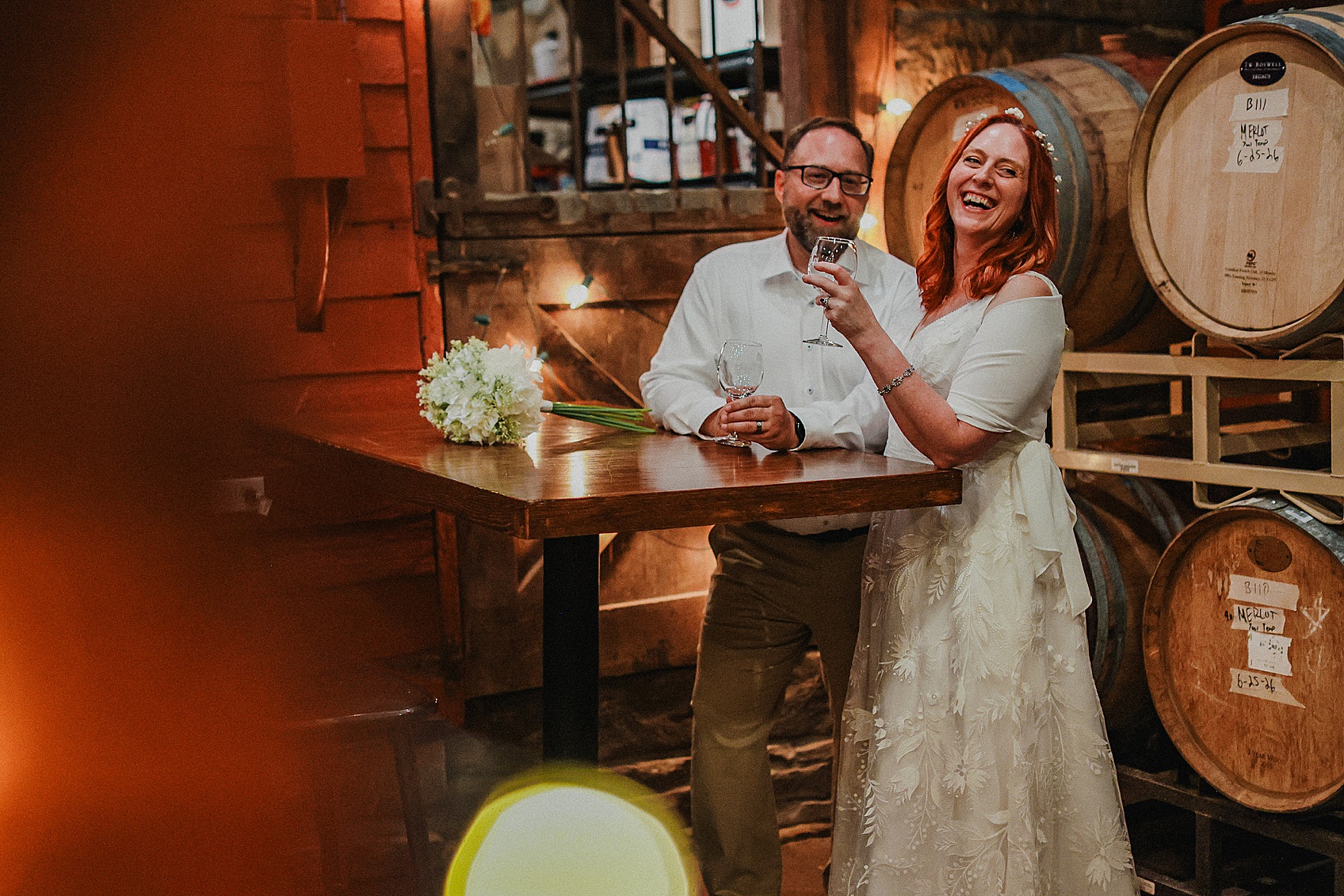
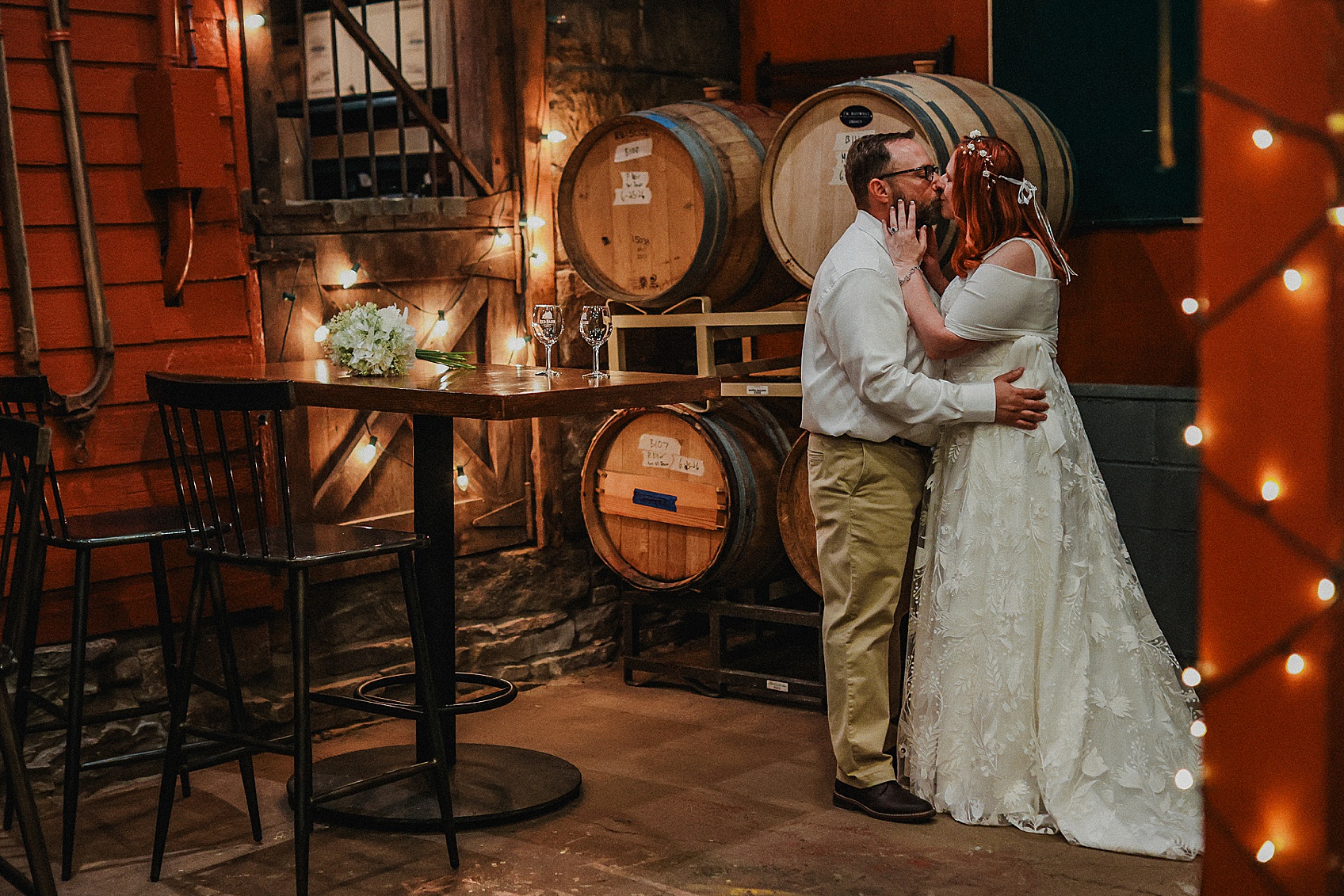
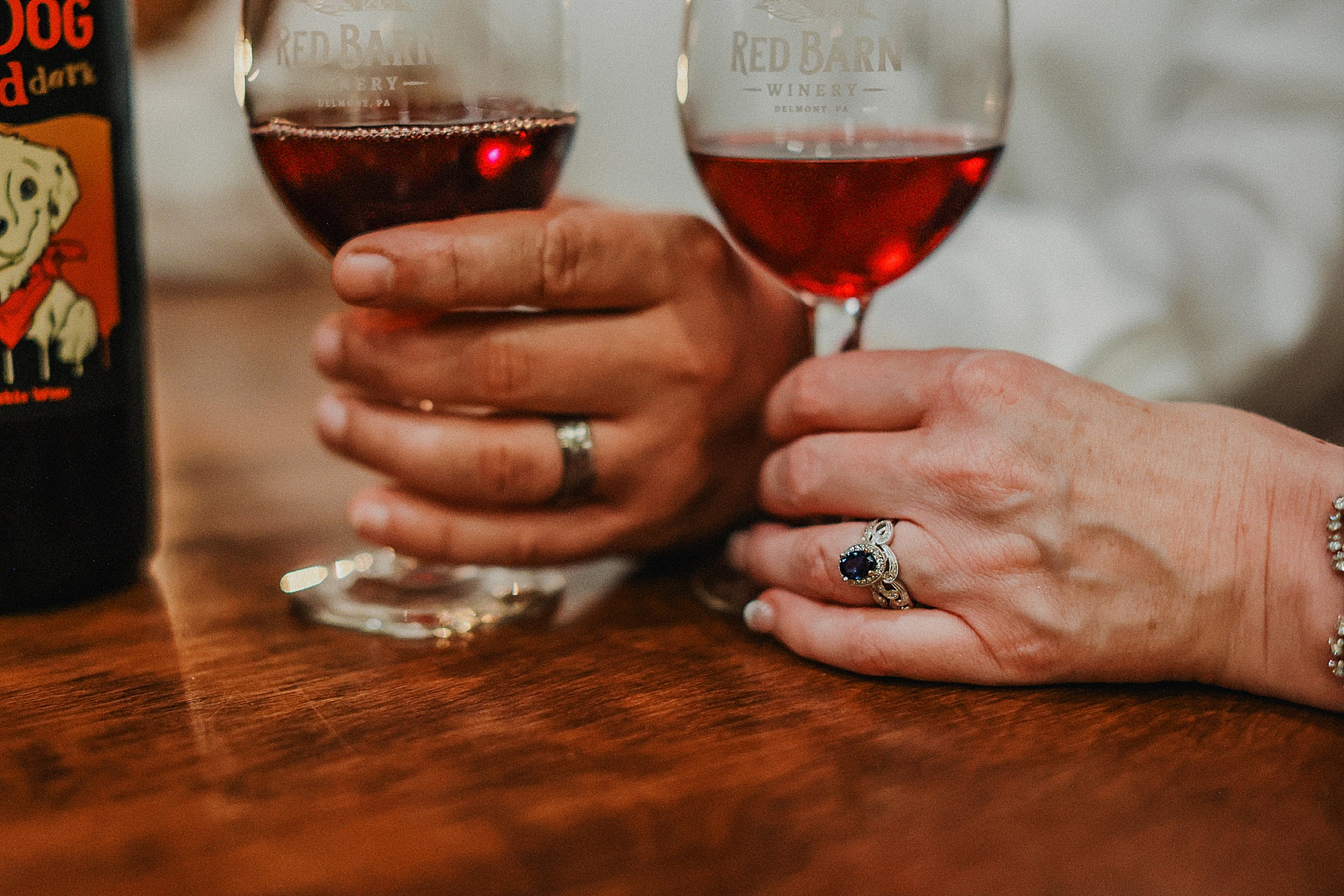
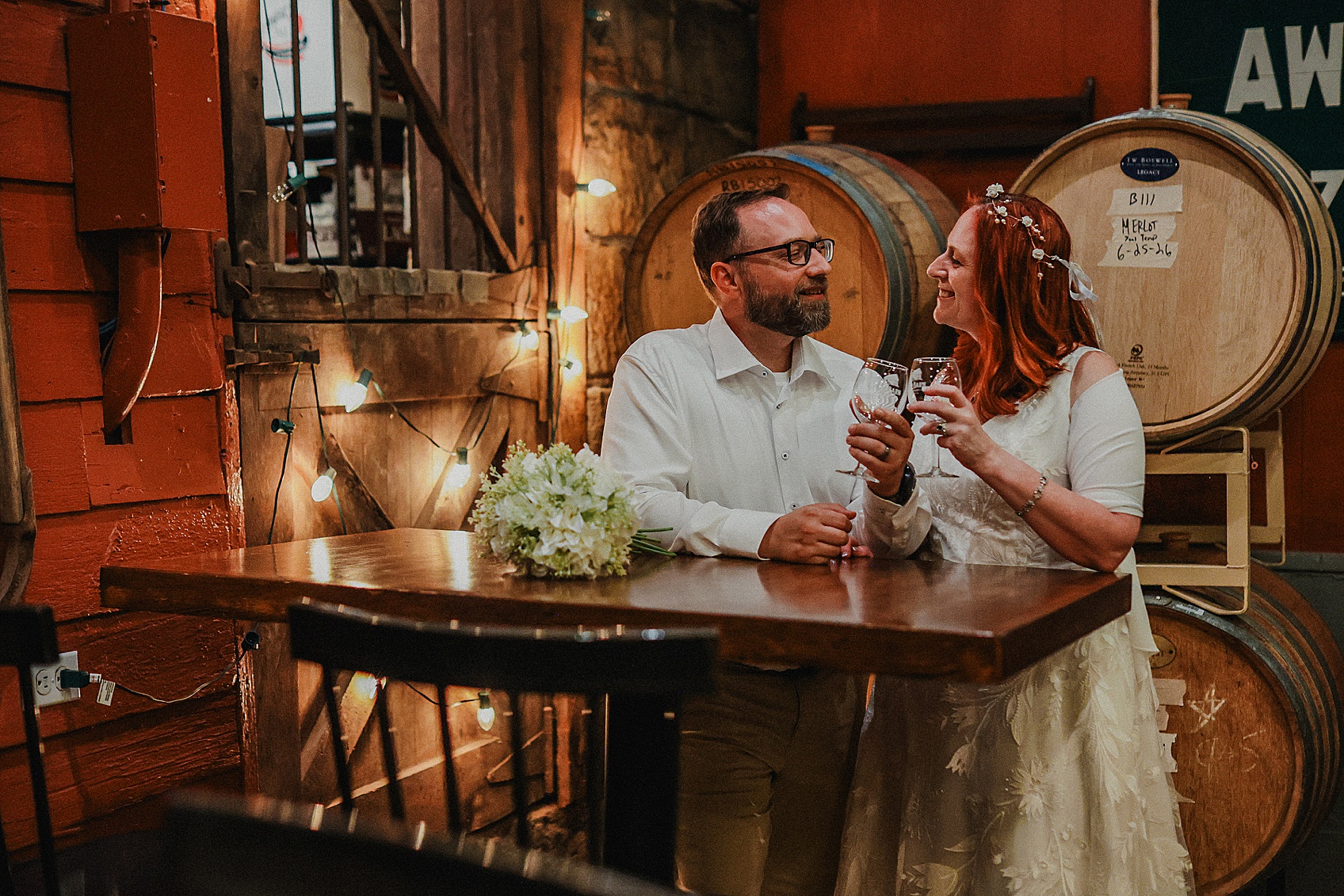
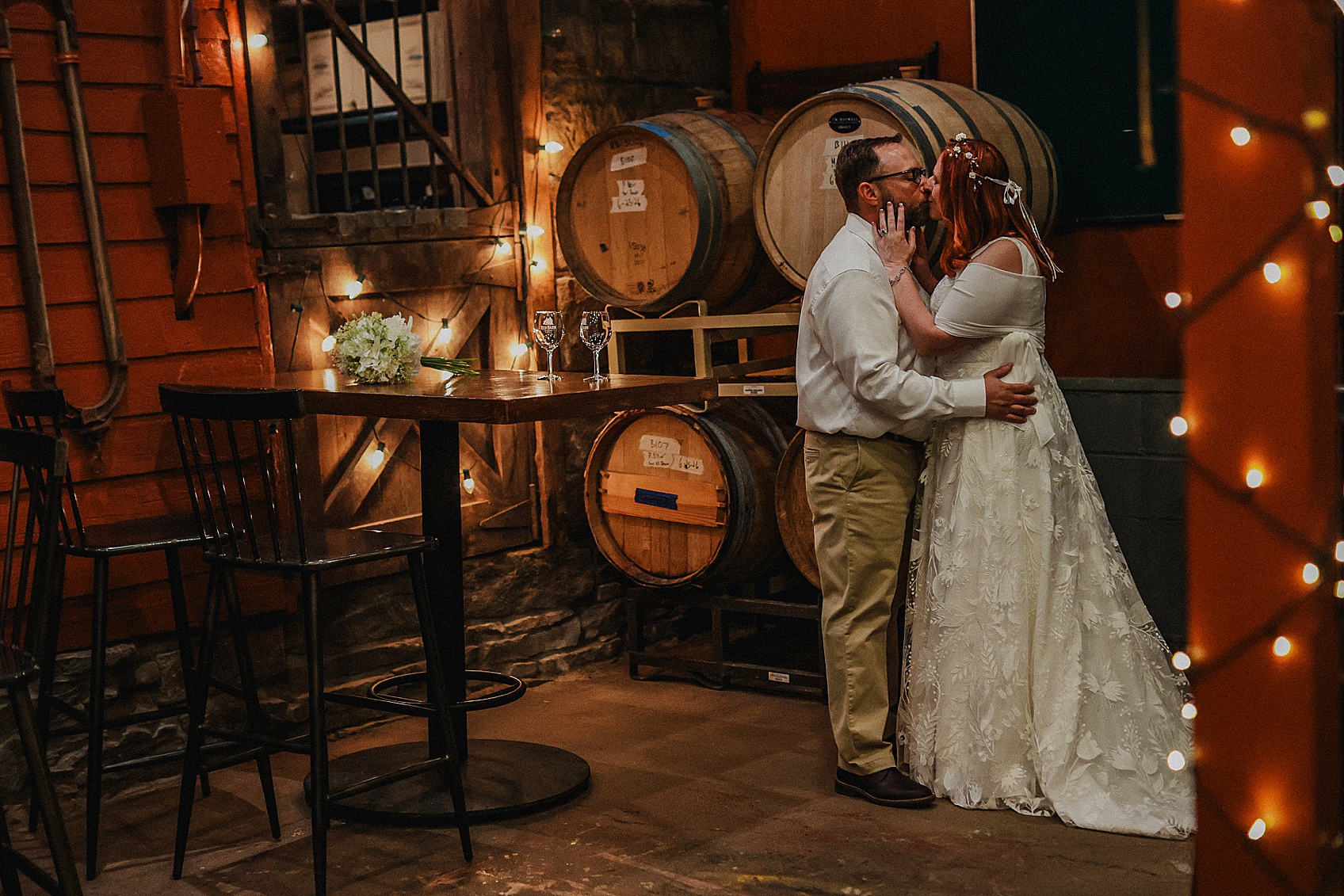
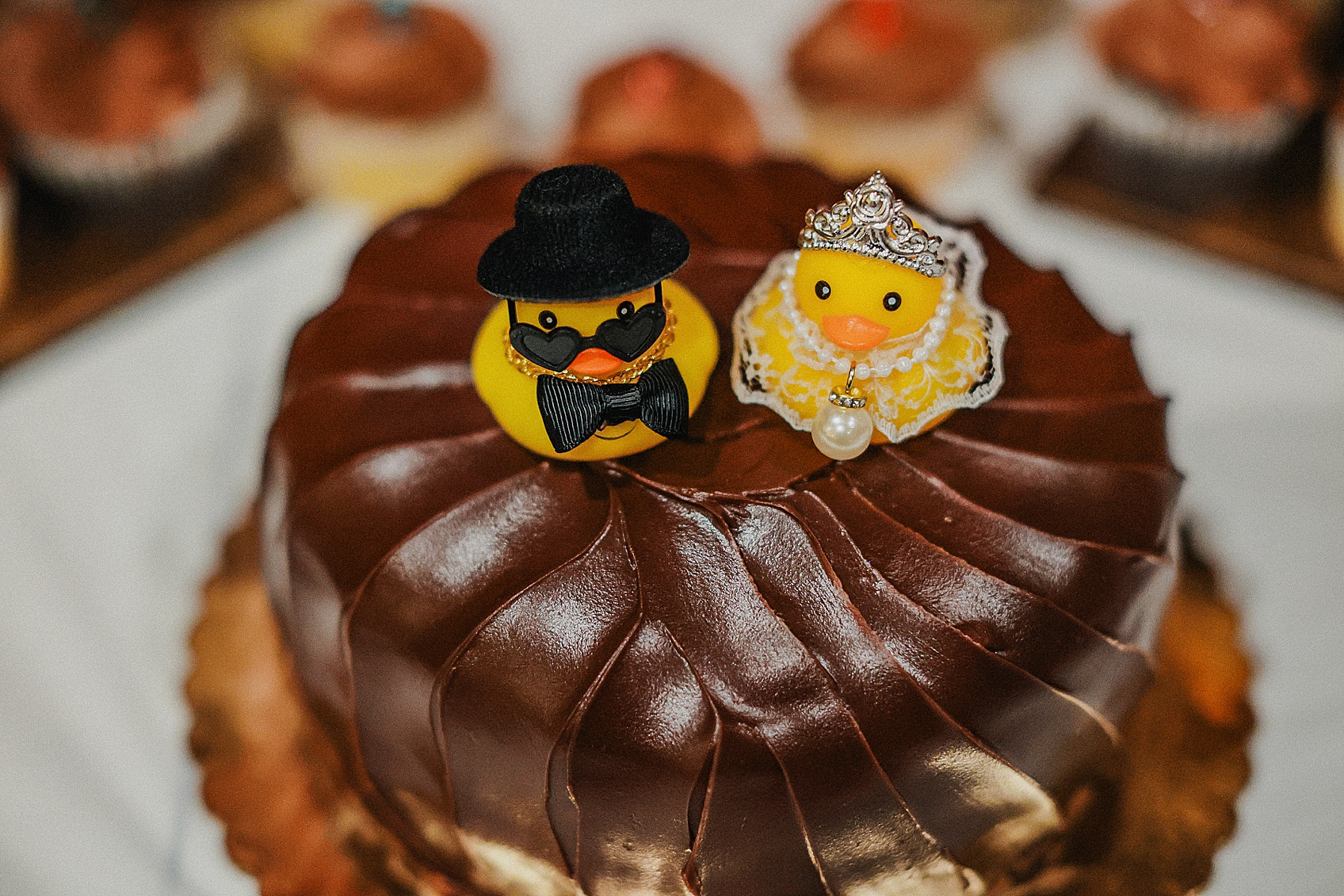
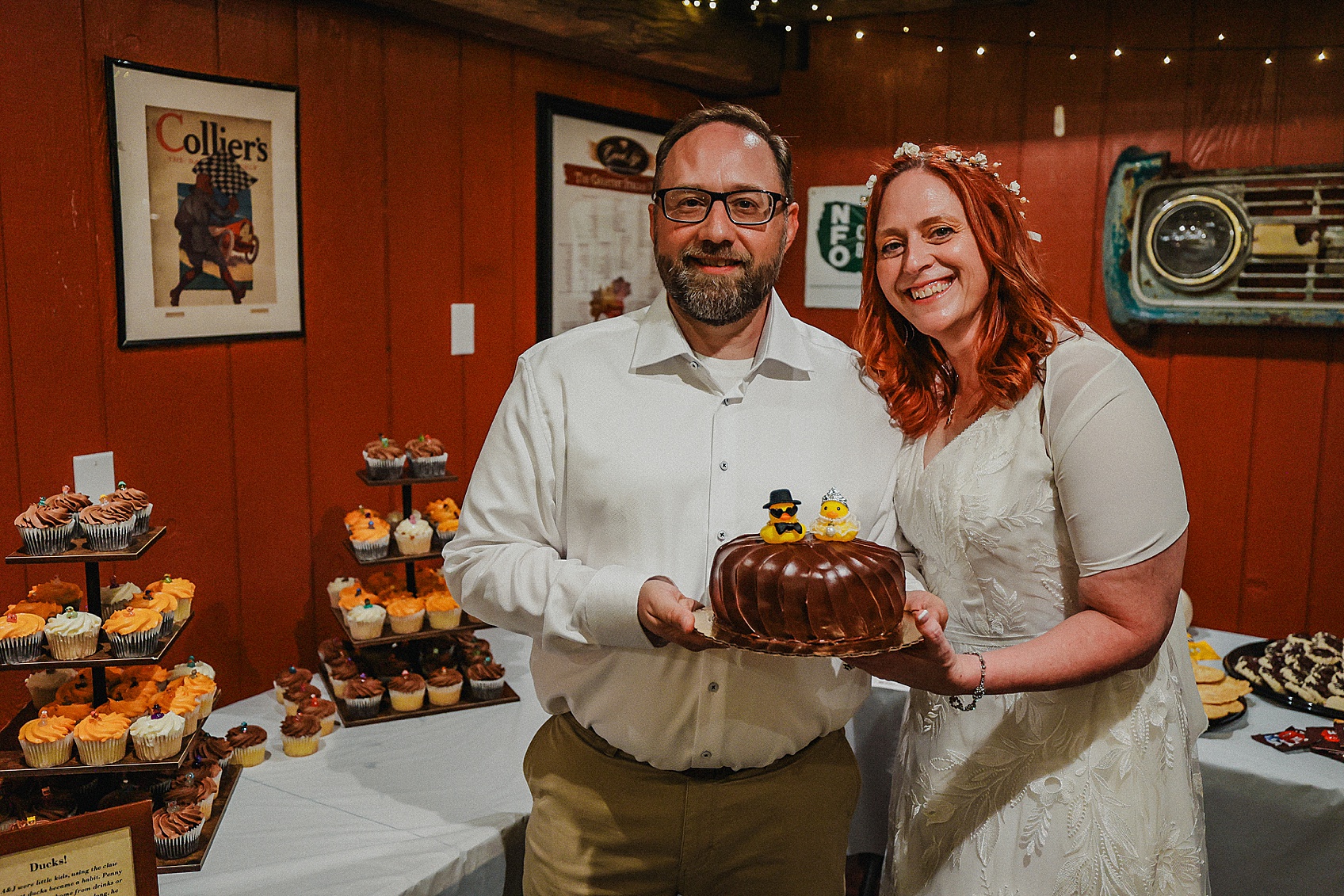
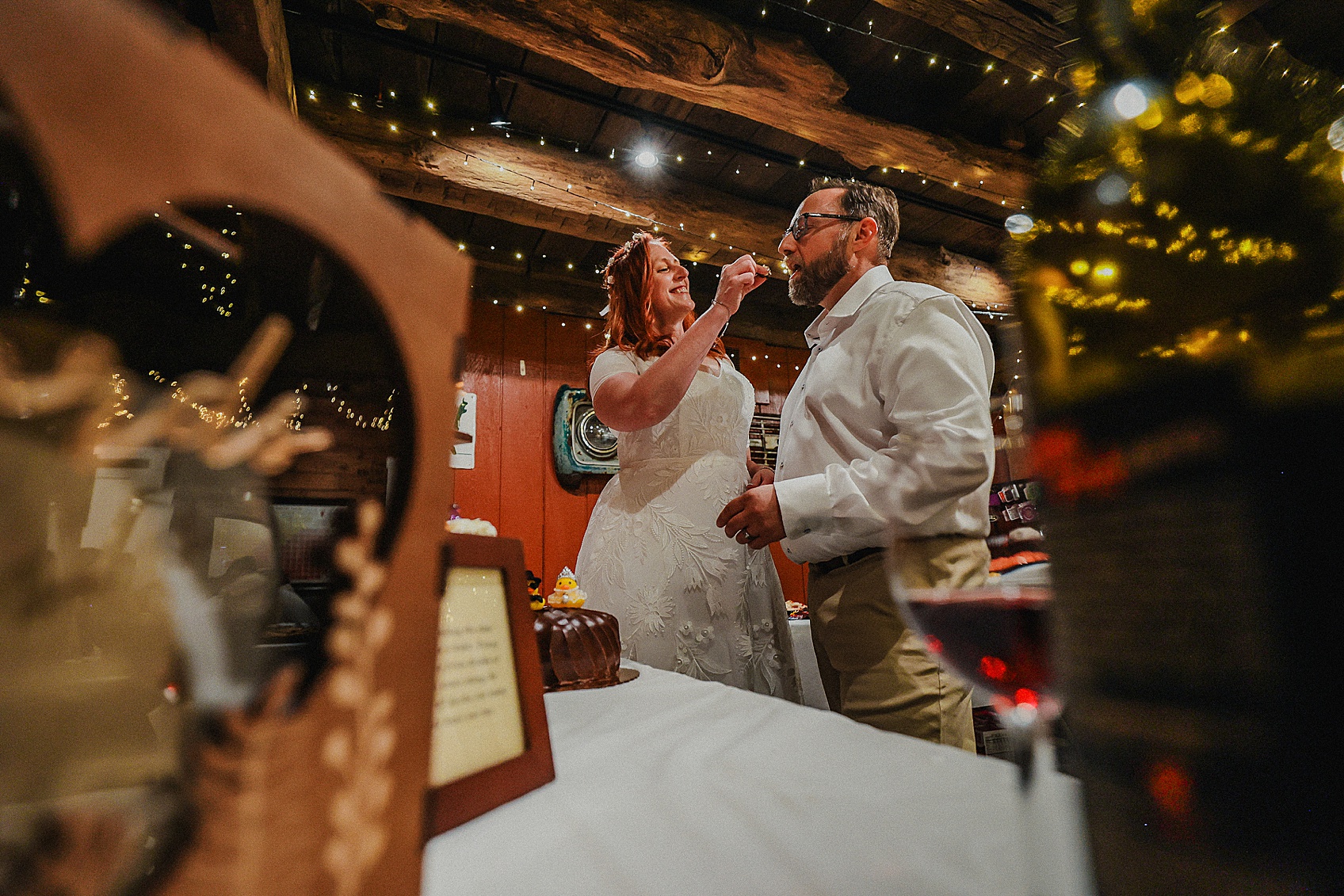
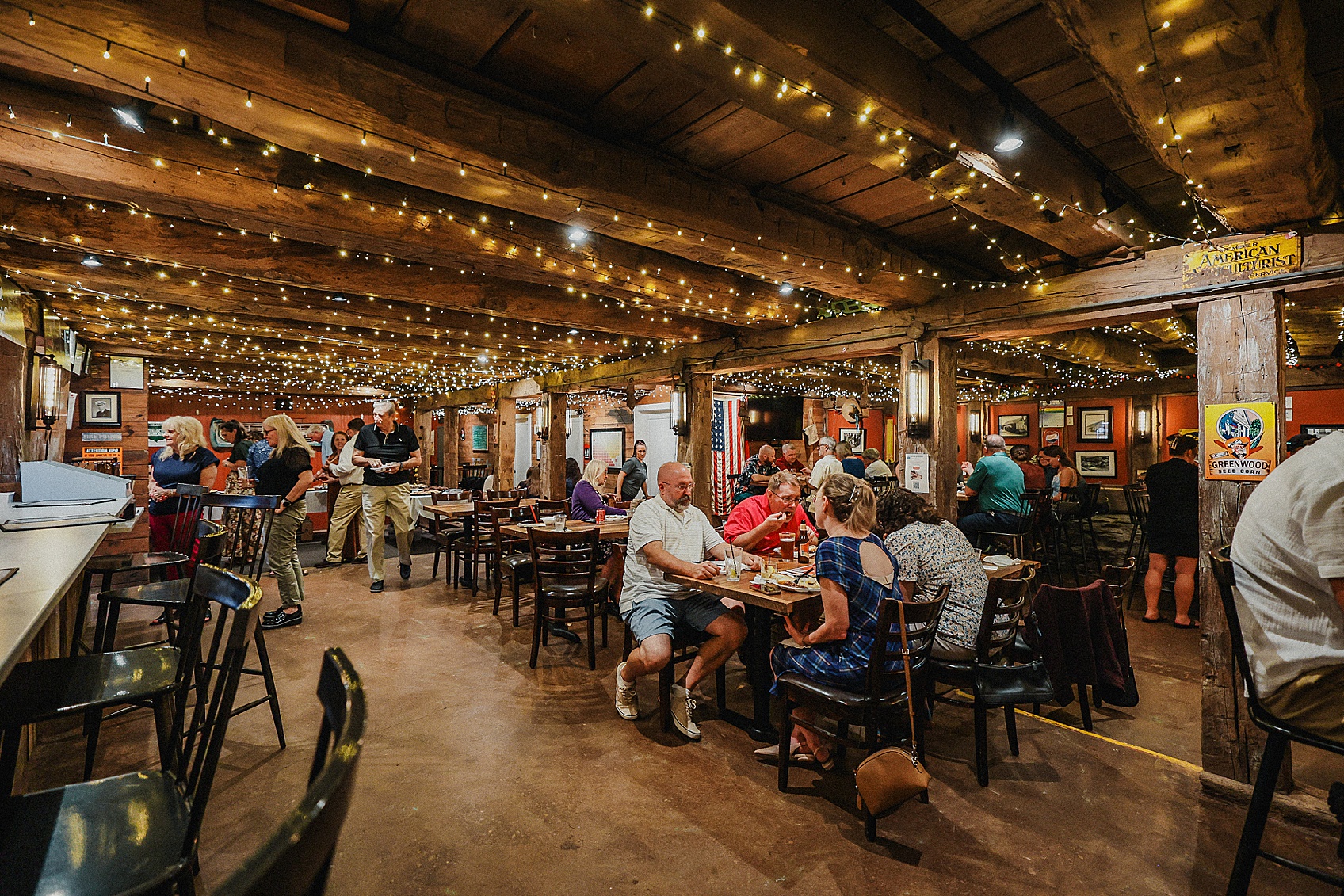
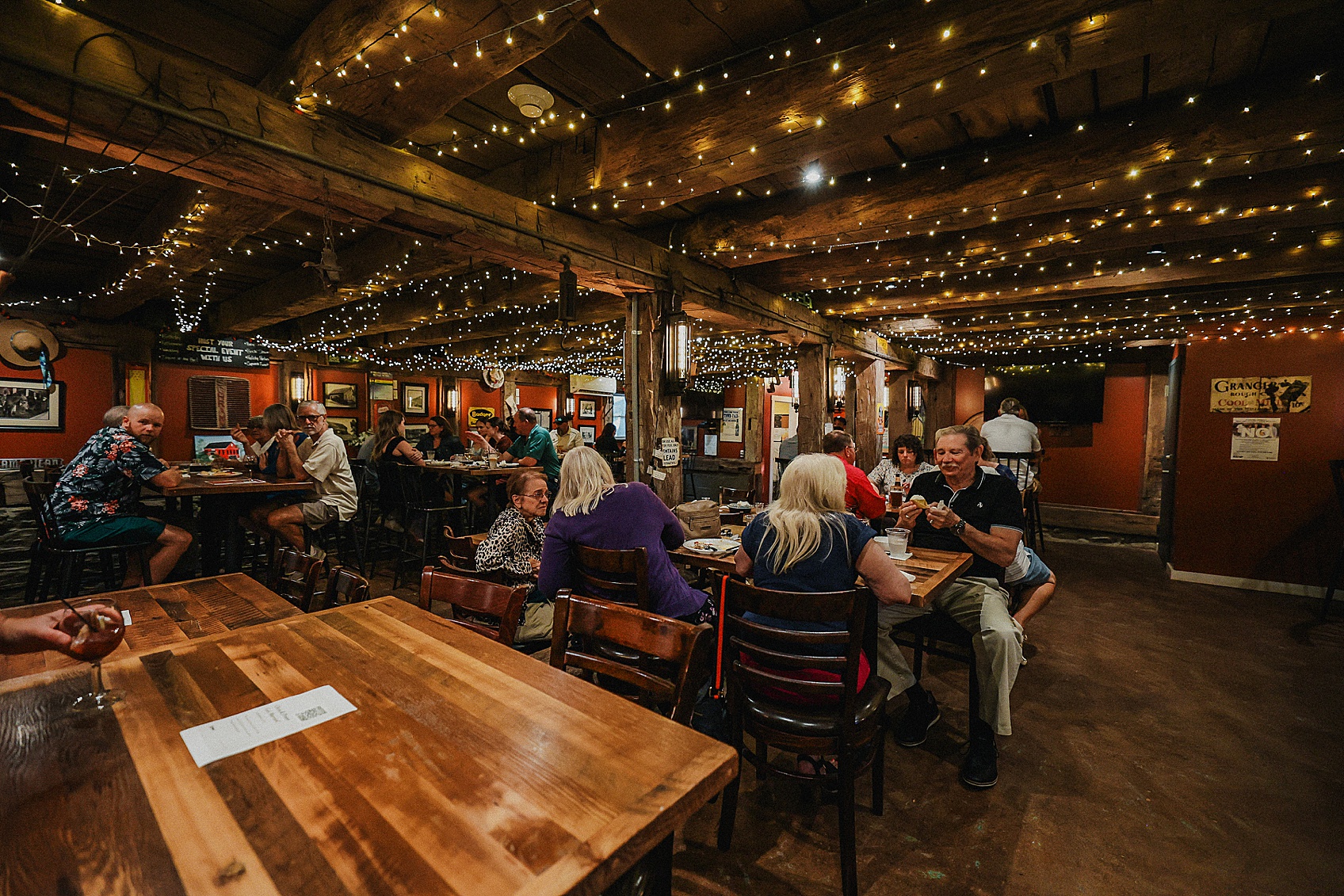
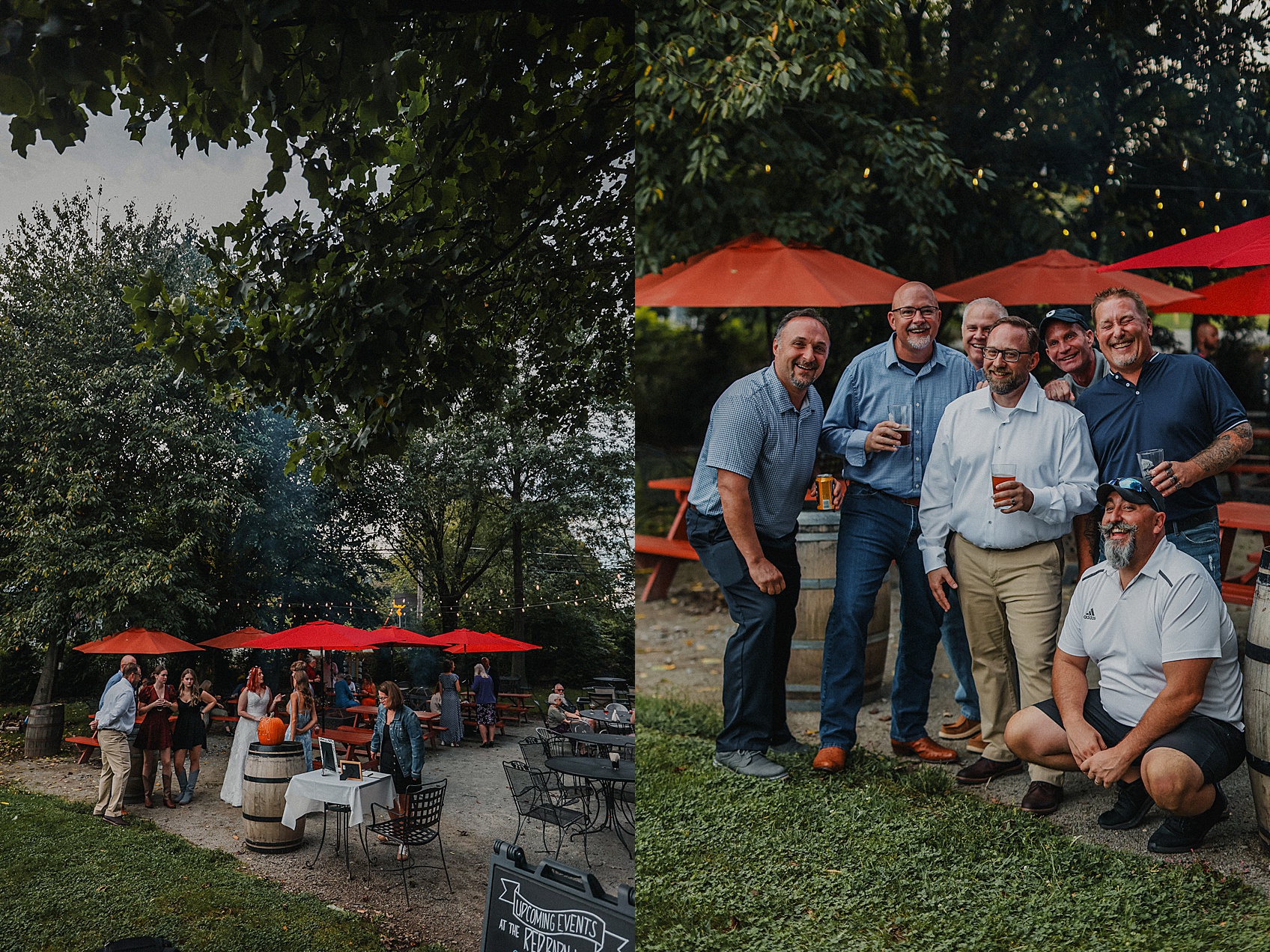
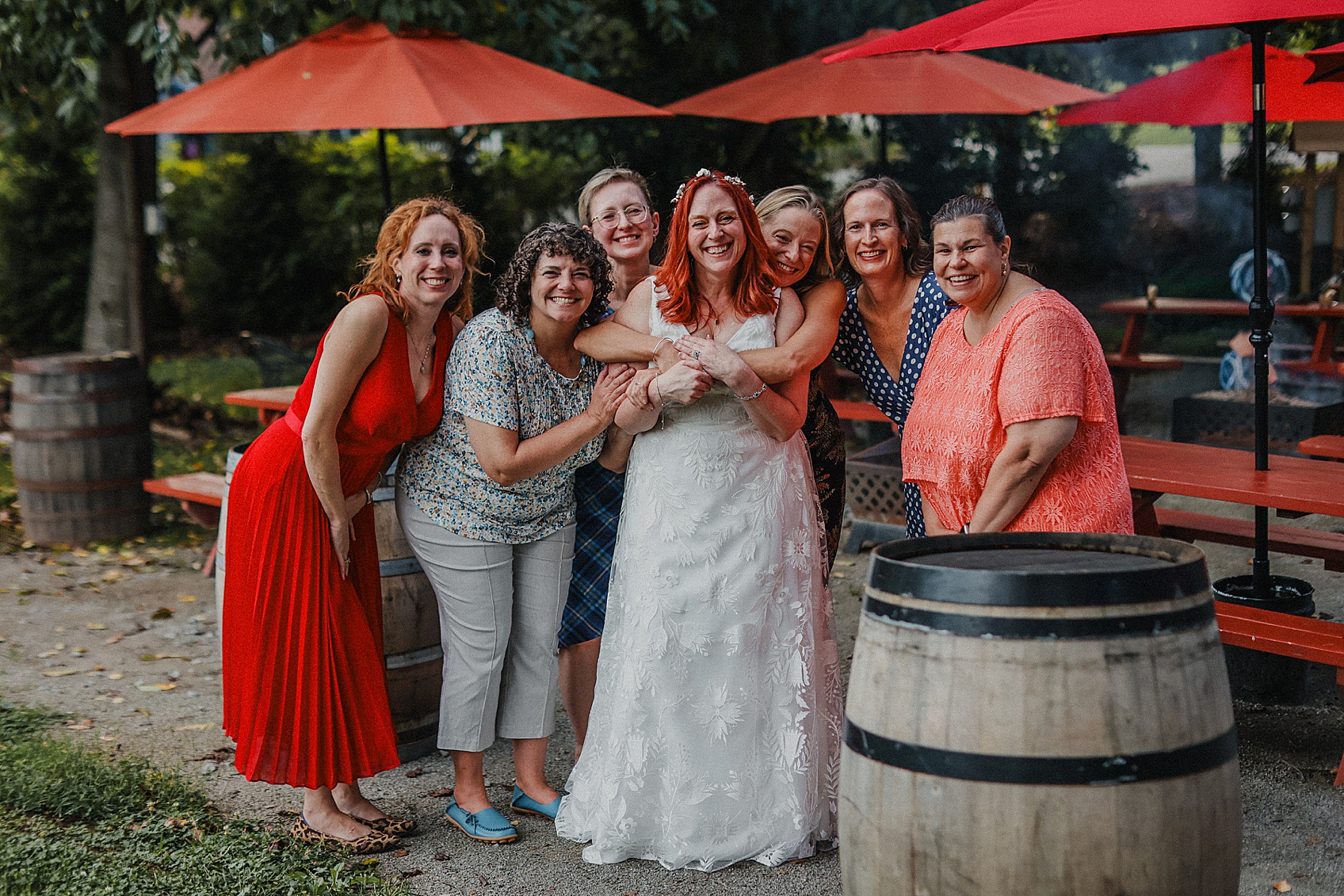
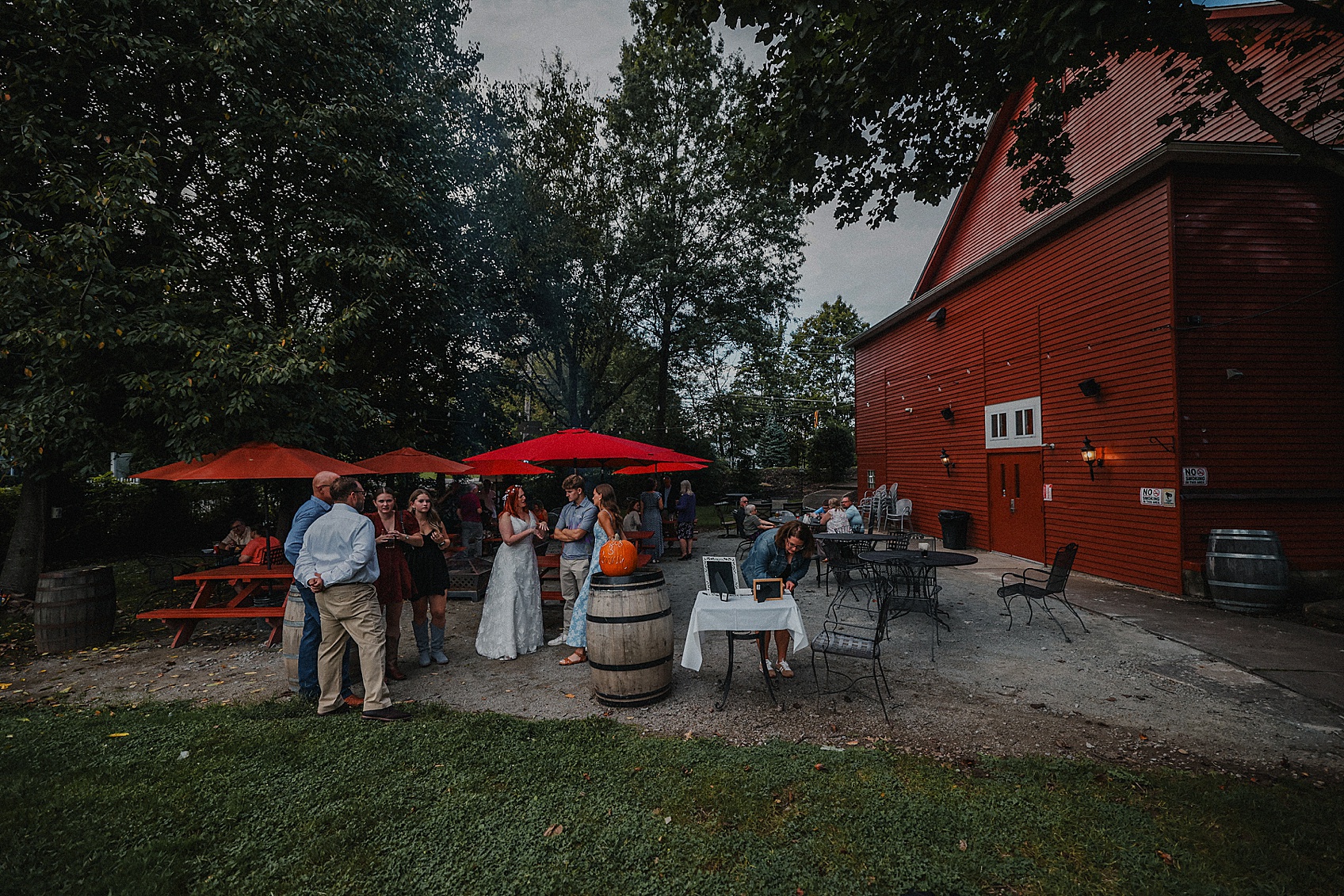
Micro-wedding coverage works differently. It’s best for couples whose wedding itself has fewer moving parts…not couples trying to fit a full wedding into a smaller photography package. Penny and Chris chose to have theirs at Red Barn Winery in Delmont, PA-previously the Apple Hill Playhouse. It was officiated by her children…and it was beautiful.
Who Is 2–3 Hours of Wedding Photography Best For?
Shorter coverage can be a great fit if you’re:
- Getting married at a courthouse or by a Justice of the Peace
- Planning a small ceremony with only immediate family or a handful of guests
- Getting married at home, on family property or in your backyard
- Having an intimate ceremony at a traditional wedding venue without a full reception afterward
- Planning a second marriage or vow-centered celebration where many traditional wedding-day elements aren’t important to you
- Having your ceremony followed by a small dinner, cake or champagne rather than a traditional reception
- Primarily wanting your ceremony, family photographs and portraits of the two of you documented
In those situations, two or three hours can tell the story beautifully because we’re not leaving important pieces out. There simply aren’t as many pieces to begin with.
When Would I Recommend Traditional Wedding Coverage Instead?
If you’re planning a traditional wedding day with getting-ready photographs, a wedding party, multiple locations, a larger guest list and a reception with entrances, dances, speeches, dinner and dancing, you’ll probably benefit from traditional wedding coverage. Even if your guest list isn’t huge. That’s an important distinction because guest count alone doesn’t determine how much photography coverage you need. Your timeline does.
You could have 35 guests but still have a full wedding day with everything from getting ready through dancing. Likewise, you could have 60 guests gather on your family’s property for a ceremony and dinner and only need a few hours of photography. That’s why I don’t think couples should choose wedding photography coverage based solely on a number.
I want to know: What is actually happening on your wedding day…and what parts of it would you be heartbroken not to have photographed? That’s how we figure out how much coverage makes sense.
What You Give Up With Shorter Wedding Coverage
This is also worth talking about because I never want someone choosing shorter coverage without understanding the tradeoff. With two or three hours, we’re intentionally prioritizing the essentials. That might mean we photograph your ceremony, family, couple portraits and the beginning of your celebration, but I’m not there hours earlier while you’re getting ready or later when Grandma takes over the dance floor.
And sometimes those are the photographs people didn’t realize would matter until afterward. I’ve photographed weddings for more than 20 years, and one of the things I’ve learned is that wedding photography isn’t only about documenting the scheduled events. It’s also about everything happening around them. Your mom seeing you dressed for the first time. Your dad standing off to the side before the ceremony. Your best friend fixing your veil. Your grandparents dancing. The completely ridiculous thing your college friends do at 9:47 p.m. Those moments require something that can’t be manufactured later: time.
So if those parts of the story matter to you, more coverage isn’t unnecessary. It’s what gives me the opportunity to photograph them. But if your wedding genuinely doesn’t include those things? You shouldn’t feel like you have to turn your wedding into an eight-hour event just because that’s what wedding photography traditionally looks like. That’s exactly where micro-wedding coverage makes sense.
The Goal Isn’t Less. It’s Appropriate.
I don’t look at a micro wedding as a lesser version of a “real” wedding. And I don’t look at shorter photography coverage as a budget version of traditional wedding photography. They’re simply different. A traditional wedding needs enough time to tell a larger story. A micro wedding gives us the opportunity to tell a smaller, more concentrated one.
The question isn’t: “What’s the fewest number of photography hours we can get away with?”
It’s: “How much time do we need to photograph the parts of this day we’ll actually want to remember?”
Sometimes the answer is eight hours. Sometimes it’s six. And sometimes, two or three hours really is exactly enough.
When the wedding itself is intentionally small and simple, sometimes two or three hours really is enough to tell the whole story…not just a shortened version of it. See other versions of “Micro Wedding Coverage”